Embracing Well-Being: Empowering the Cancer Community Through Holistic Health and Cultural Awareness
In the ever-evolving landscape of oncology, the focus is shifting beyond traditional treatments to a more holistic approach that prioritizes the well-being of cancer survivors. As we strive to empower the cancer community, integrating holistic health practices is not just beneficial—it's essential. Imagine a world where a diagnosis does not define you, but instead becomes a stepping stone toward a healthier, more vibrant life. The journey through cancer treatment can be fraught with challenges, but by embracing a comprehensive view of health—one that includes emotional, nutritional, and alternative therapies—we can help survivors reclaim their strength.
Have you ever heard the quote, "Your health is an investment, not an expense"? This is particularly poignant in the realm of cancer prevention and survivorship. As we delve into the emotional aspects of cancer, it’s important to recognize that psychological well-being is just as crucial as physical health. Engaging in support groups provides not only patient support but a sense of belonging in a community that understands the journey. Through stories, shared experiences, and collective wisdom, cancer survivors can find solace and strength in their shared struggles—a powerful reminder that they are not alone.
Nutritional support is a cornerstone of holistic health, particularly for cancer survivors. Research continually highlights the importance of proper nutrition in promoting recovery and enhancing overall well-being. But what does that look like in practice? It could be as simple as substituting processed snacks with wholesome, nutrient-rich foods. Moreover, integrating cultural awareness into nutrition can make a significant impact. For instance, in hijab fashion, embracing cultural foods that nourish the body contributes to a survivor's identity and well-being. This blend of tradition and health empowers individuals not just physically, but emotionally, linking their heritage to their healing journey.
Incorporating alternative therapies is another vital piece of the puzzle in transforming oncology. From yoga to meditation, these practices offer emotional support that often complements traditional medical support. Have you ever tried to meditate? The stillness can be transformative, unlocking pathways to emotional resilience that are crucial during the tumultuous journey of cancer treatment. By offering tools for stress management and relaxation, alternative therapies not only enrich the lives of survivors but also pave the way for disease prevention. By focusing on holistic health, we can create a landscape where cancer survivors feel empowered to take charge of their healing.
Finally, access to reliable health information is paramount for the cancer community. With so much misinformation prevalent in today’s world, having clear, actionable patient resources and disease education is essential. By fostering a culture of knowledge-sharing, we can empower cancer survivors to make informed decisions about their health. After all, knowledge is power! Whether it’s understanding the latest in cancer research or discovering holistic practices that promote well-being, equipping ourselves with the right information is the first step in transforming our approach to oncology. Together, we can cultivate a thriving community that embraces holistic health for every cancer survivor.
Cultural Awareness in Cancer Care: Supporting Diverse Communities Through Education
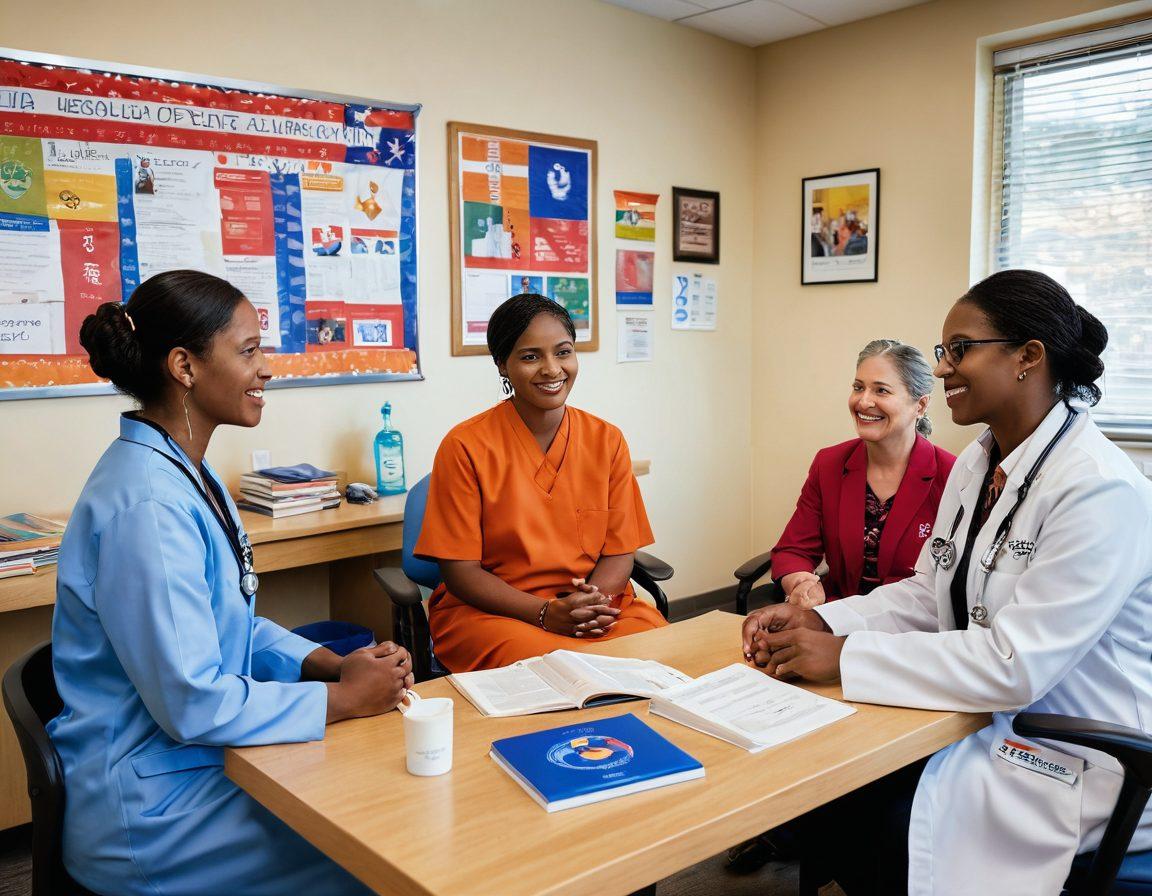
Cultural awareness in cancer care is not just a concept; it is an essential bridge that connects diverse communities with the healthcare they need. Imagine a world where every patient, regardless of their background, feels understood and supported during their journey through oncology. As we delve into the significance of cultural awareness in cancer prevention and treatment, we find that embracing diverse perspectives enhances not only medical support but also emotional support. The fusion of holistic health practices with a deep respect for cultural values opens doors for meaningful education and engagement within the cancer community.
In many cultures, discussions around illness can be stigmatized or avoided altogether. This is where education becomes a powerful tool. By providing accessible health information, we empower patients to understand their options in cancer care and foster an environment where questions can be asked openly. "Knowledge is power," they say, and in the realm of disease education, that knowledge can mean the difference between just surviving and thriving through cancer treatment. How can we better tailor our resources to meet the unique needs of diverse populations? This question has driven many initiatives aimed at enhancing cancer research and outreach.
Consider the story of Amina, a cancer survivor who wears her hijab with pride. Her journey through cancer treatment was made smoother by a support group that understood her cultural background and spoke her language—both literally and figuratively. Amina often shares that when health professionals took the time to recognize her cultural practices and beliefs, she felt a stronger sense of partnership in her treatment. This highlights how crucial cultural awareness is to creating patient resources that resonate with various communities. The impact of feeling seen and validated cannot be understated in the landscape of holistic health.
Furthermore, integrating alternative therapies into the conversation about cancer care can be a game-changer for many patients. For instance, nutrition and cancer are deeply intertwined, yet dietary practices can vary widely across cultures. By sharing knowledge about nutrition tailored to different cultural diets, we can promote cancer prevention strategies that feel relevant and attainable. How can we encourage individuals from all backgrounds to engage with these important aspects of their health? It starts with open dialogues and community-focused initiatives that prioritize education and accessibility.
Lastly, let’s not forget the role of storytelling in supporting the cancer community. Each survivor has a tale worth telling, a testament to resilience, and an opportunity to inspire others. By spotlighting voices from various cultural backgrounds, we create a rich tapestry of experiences that reinforces the importance of emotional support during trying times. Whether through health blogs, community events, or outreach programs, we can champion the cause of cultural awareness in cancer care—ensuring that no one walks this challenging path alone. As we move forward, let’s commit to fostering an inclusive environment where every voice is valued, and every story has the power to heal.
The Power of Nutrition and Alternative Therapies: Enhancing Well-Being in the Cancer Journey
In the intricate journey of battling cancer, the conversation around nutrition and alternative therapies often takes a backseat. Yet, these elements can significantly enhance well-being and empower those within the cancer community. Why is it that we rarely discuss the multifaceted advantages of holistic health in oncology? Nutrition can be a vital ally in cancer prevention and treatment, helping patients not only manage their symptoms but thrive in their journey. As we navigate through health information on cancer research, let's explore how an empowering focus on nutrition and alternative therapies can transform the cancer experience into one of resilience and hope.
Imagine a world where the cancer community feels buoyed by emotional support and practical aids designed to promote well-being. Would it change the way we approach cancer treatment and recovery? The answer is undoubtedly yes. Studies show that a balanced diet rich in fruits, vegetables, whole grains, and lean proteins can play a pivotal role in strengthening the immune system and boosting energy levels. This information is crucial for patients who might feel overwhelmed or fatigued during their treatment. With simple choices like incorporating foods that are known to fight inflammation, cancer survivors and those currently in treatment can take an active role in their health journey, fostering empowerment through knowledge.
The beauty of embracing holistic health goes beyond mere nutrition. It opens doors to alternative therapies that can complement standard medical support; think of yoga, acupuncture, mindfulness practices, and herbal remedies. Have you ever considered how these practices can impact your recovery? Each therapy offers unique benefits that can reduce anxiety, enhance emotional support, and promote relaxation—all vital components of holistic care. As service to the community evolves, recognizing the value of alternative therapies can provide cancer survivors and patients a more rounded experience in managing their health and coping with their diagnoses.
Cultural awareness also plays a crucial role in enhancing well-being. For instance, embracing hijab fashion while navigating the cancer experience can create a sense of identity and belonging for individuals in the cancer community who may feel marginalized. They might ask themselves, "How can I express my cultural identity while prioritizing my health?" The answer is creating a safe space where diversity is celebrated, and cultural practices are valued in the healing process. By integrating nutritional knowledge with cultural practices, individuals can personalize their approach, turning traditional meals into powerful allies in their fight against cancer.
As we conclude this journey through the power of nutrition and alternative therapies, remember that every small step counts. The more we educate ourselves about disease prevention and available patient resources, the more empowered we become. Each day presents an opportunity to make informed choices that enhance well-being in the realm of cancer treatment. So, whether you're exploring the latest health blog, connecting with fellow cancer survivors, or embarking on a culinary adventure, know that with every positive choice you make, you are contributing to a larger narrative of hope and resilience within the cancer community. What strategies will you adopt today to enhance your journey?